California’s rivers and streams stretch over 189,454 miles, supplying drinking water, feeding reservoirs, giving life to our parks and world-class whitewater recreation, sustaining the state’s renowned agriculture economy, and providing critical habitat for fish and other aquatic life.
Yet California’s freshwater ecosystems face increasing pressure from pollution, altered river flows, habitat loss, invasive species, and climate change. More than 80% of the state’s native freshwater fish species are in decline, and over 90% of its historic wetlands have been lost. Protecting California’s remaining healthy rivers, streams, lakes, and wetlands is essential to sustaining biodiversity, clean water, climate resilience, and outdoor recreation.
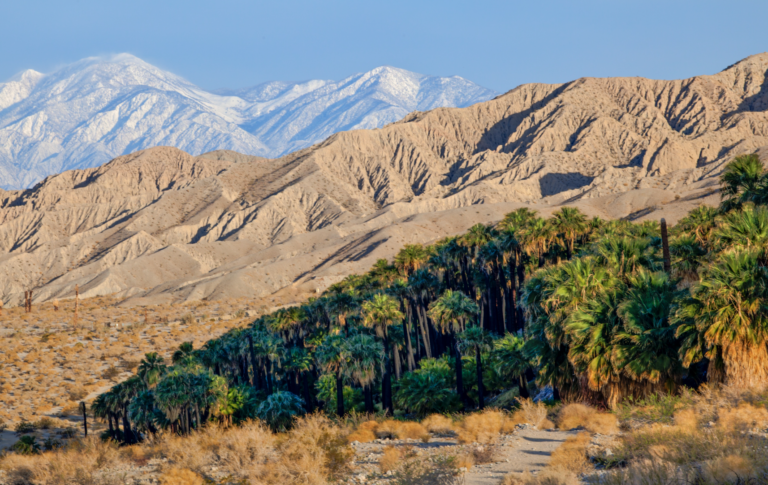
Of California’s 189,454 miles of rivers and streams, only 2,072.7 miles are protected under the state or federal Wild and Scenic Rivers Act. From the emerald waters of the Smith River to the lush hanging gardens of the Amargosa River in Death Valley National Park, our Wild and Scenic Rivers serve as refuge for our fish and the foundation for our state’s drinking water.
While the Wild and Scenic Rivers Acts are powerful conservation tools, they protect less than 2% of our state’s rivers and streams. Fortunately, other protections exist to safeguard the state’s freshwater ecosystems.
- National and State Parks help protect California’s freshwater resources by preserving intact watersheds, restoring aquatic ecosystems, and maintaining high water quality standards under the Clean Water Act.
- Outstanding National Resource Waters (ONRWs) is a designation granted to pristine, high quality waters that provides the highest level of protection under the Clean Water Act. It safeguards water quality by prohibiting any permanent degradation. In California, only two water bodies currently have ONRW status: Mono Lake and Lake Tahoe.
While these conservation tools play an important role in protecting California’s freshwater ecosystems, they leave many rivers, streams, lakes, and wetlands without durable protections. California’s Pathways to 30×30 Initiative also lacks clear goals and metrics for conserving and restoring freshwater ecosystems, highlighting the need for additional tools to protect the state’s watersheds and aquatic biodiversity.
Given the complexity of California’s hydrology, variable climate, and water management challenges, establishing and upholding durable protections for the state’s freshwater ecosystems is critical to achieving California’s 30×30 goals. Leading scientists, including Peter Moyle of the UC Davis Center for Watershed Sciences, have called for establishing a formal system of protections for freshwater resources. The Freshwater Work Group of the Power in Nature coalition believes this idea merits consideration.
Get Involved!
Help protect California’s freshwater ecosystems.