Central Coast Region
Central Coast Region
The 30×30 Central Coast region is home to approximately 1.5 million residents and includes all of Santa Barbara, San Luis Obispo, Monterey, Santa Cruz, and San Benito Counties. This vast and diverse region contains rare and vital habitats including old-growth coastal redwood forests, oak woodlands, marine habitats, coastal wetlands and watersheds, and chaparral, as well as working rangelands and agriculture. The Central Coast region holds more than two million acres of public lands, a vital ecological corridor for wildlife covering upwards of one-third of our local land base. The Central Coast is also a globally supported agricultural region. The region must balance its economic vitality with conservation efforts like habitat restoration and wildlife crossings to support ecological health and connectivity.
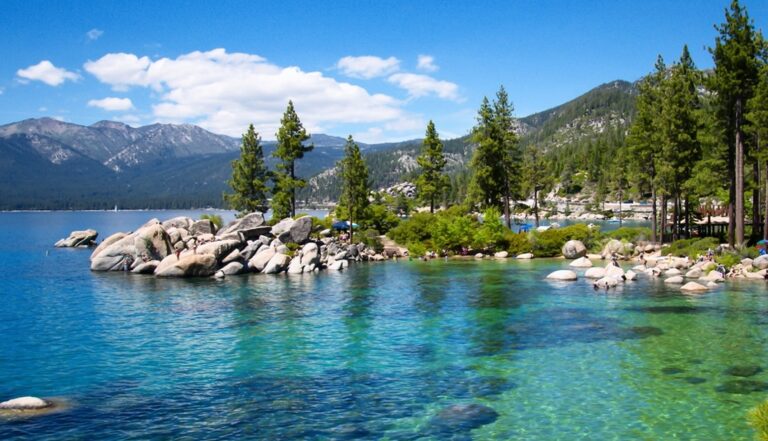
This stretch of coastal counties contains some of California’s most biodiverse landscapes and some of the world’s most productive agricultural lands. Rugged canyons, redwood forests, oak woodlands, and grasslands meet winding rivers, beaches, estuaries, and thriving marine habitats. The region forms a critical ecological bridge between northern and southern California, enabling wildlife to migrate, locate food and water, and adapt to a changing climate. These lands face increasing pressures from development, climate change, and habitat fragmentation. Protecting and connecting these landscapes is essential for species resilience and ecosystem health. By safeguarding wildlife corridors, restoring habitat, preserving working lands, expanding access to nature, and strengthening local, state, and national parks, we can sustain both the region’s biodiversity and its human communities.
The Central Coast hosts some of California’s most distinctive habitats. From the chaparral and forests of Los Padres National Forest and Carrizo Plain National Monument to the coastal live oak woodlands of the Adelaida region, each landscape contributes to the region’s remarkable biodiversity. Unique features like the Zayante soils of the Santa Cruz Sandhills, the volcanic formations of Pinnacles National Park, and the kelp forests of the Monterey Bay National Marine Sanctuary make this area ecologically rich. These diverse environments sustain iconic species such as the blue whale, southern sea otter, and California condor. Rare plants like the Morro manzanita and Santa Cruz wallflower exist nowhere else on Earth, underscoring the global importance of conserving the Central Coast region.
The Central Coast Power In Nature Coalition formed to advocate for the ecological and human diversity that makes this region unique. This group has aligned to advance conservation projects through 30×30 goals and to ensure that our projects fit together to achieve broader ecological connectivity, protect biodiversity, and support underrepresented human communities in the region. Additionally, we aim to collaborate on funding and agency discussions and learn together as opportunities for new projects arise.
Central Coast meetings are held on the 4th Monday of the month from 3 to 4 PM and are open to all conservation advocates and practitioners in the Central Coast region. Join us!
The 30×30 initiative is vital on the Central Coast, where ecosystems span from semi-desert to redwood forest. Over half of Los Padres National Forest is wilderness or roadless, offering large, connected habitats that shelter species from urban growth and link to nearby conserved, refuges, monuments, forests, preserves, parks, wildlands, and marine sanctuaries. Across the region, few broad public lands exist; instead, a mosaic of public and private parcels is connected through strategic conservation. From Santa Cruz to Santa Barbara, protecting biodiversity, enhancing habitat connectivity, and safeguarding clean air, clean water, and equitable access to nature can secure a healthier Central Coast—one that sustains both its human communities and its wildlife.
Featured Projects
To explore the map, use the toggle on the left to select different layers for viewing specific information. Click on the dots on the map to view information about each project. Click the search icon in the upper right corner to find addresses or locations. You can zoom in or out using the map’s zoom controls and pan by clicking and dragging. To reset the view, simply click the home icon. Enjoy exploring!